How an Emergency Dentist Ventura Treats Oral Infections Safely


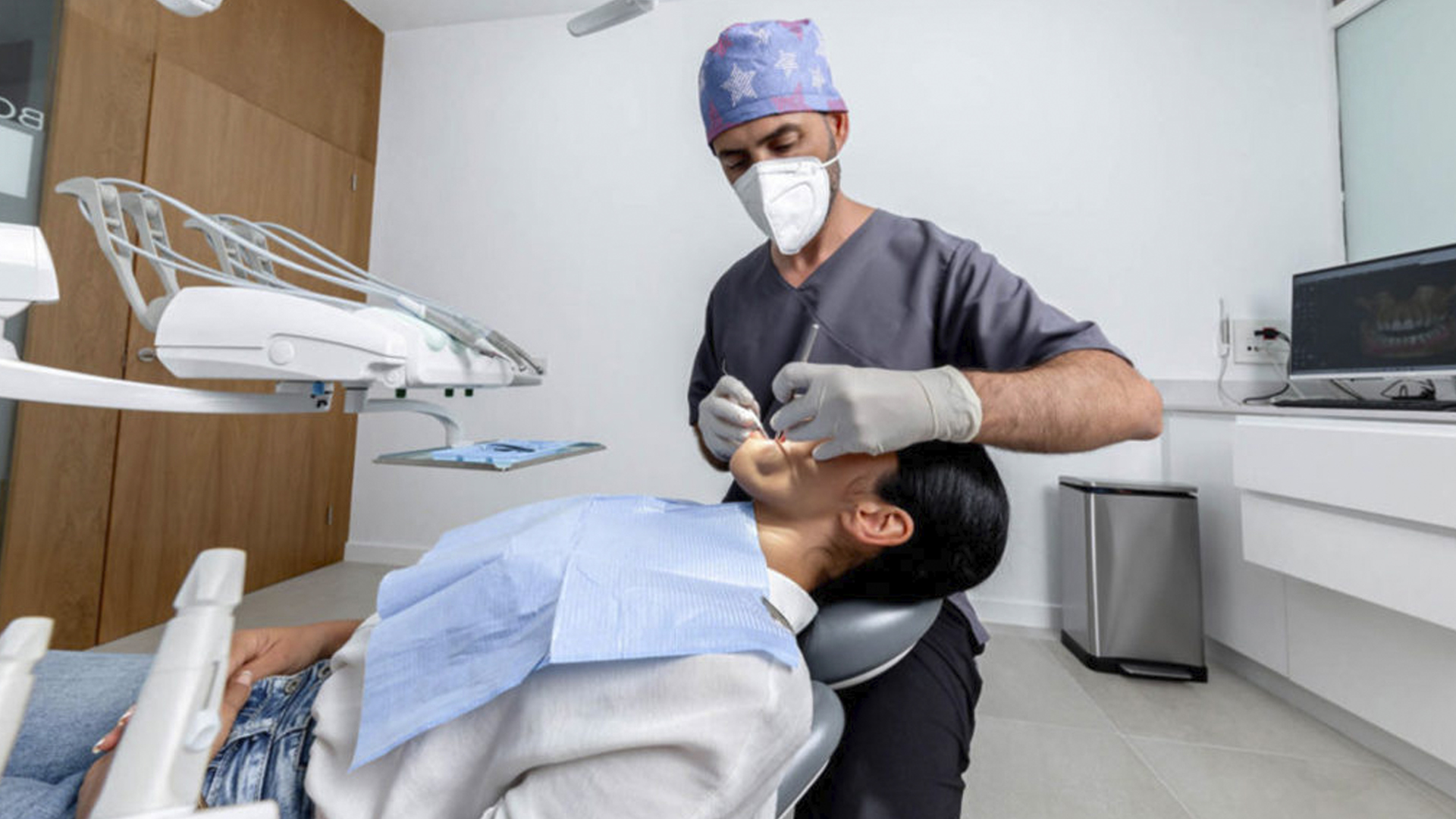
Oral infections rarely stay small for long. A toothache that starts as a dull throb on Friday afternoon can become facial swelling by Saturday morning and a sleepless, feverish night by Sunday. In practice, that progression is what makes dental infections so different from routine sensitivity or a chipped filling. They can spread, deepen, and compromise nearby tissue far faster than many people expect.
That is why an Emergency Dentist Ventura takes oral infections seriously from the first phone call. The goal is not simply to reduce pain for a few hours. It is to identify the source, gauge how far the infection has advanced, protect the airway and surrounding structures, and choose the safest treatment that actually removes the problem. Sometimes that means draining an abscess the same day. Sometimes it means opening a tooth to relieve pressure. In other cases, it means starting antibiotics while arranging definitive care such as a root canal or extraction. Judgment matters.
People often assume an infection is treated with antibiotics alone. In reality, that approach can fall short. If pus is trapped under pressure or a tooth has a dead nerve, medicine may help slow the spread, but it often will not resolve the source by itself. A skilled emergency dental visit is about controlling the infection and removing the reason it started.
Why oral infections become emergencies
Most urgent dental infections begin in one of a few predictable ways. Decay can burrow into the pulp of a tooth, where the nerve and blood supply sit in a confined space. A crack can let bacteria enter below the enamel. Gum disease can create deep pockets where harmful bacteria thrive. Wisdom teeth can partly erupt and trap food and debris under inflamed tissue. Trauma also plays a role. A tooth that looked only bruised after an impact can later turn nonvital and infected.
Once bacteria reach deeper tissues, pressure builds. The body responds with inflammation, which increases pain and swelling. In the mouth, there is not much room for expanding tissue. The jawbone, cheeks, gums, and floor of the mouth create tight spaces, so even moderate swelling can become extremely painful. If the infection breaks through bone and spreads into soft tissue, the risk profile changes. Swelling can distort the face, make swallowing difficult, and in severe cases interfere with breathing.
That is the dividing line between a dental problem that can wait a few days and one that needs urgent attention now. Oral infections are not just about discomfort. They involve https://griffindvds126.vantagequill.com/posts/how-an-emergency-dentist-ventura-responds-to-severe-tooth-nerve-pain anatomy, circulation, airway safety, and the possibility of rapid spread.
What an emergency dentist looks for first
A safe visit starts with triage. Before any treatment begins, the dentist needs to know whether the infection is still localized or moving beyond the tooth and gum. The exam is usually more methodical than patients expect, even when they are in obvious pain.
An emergency dentist will ask when the pain started, whether it is constant or throbbing, whether hot or cold changes it, and whether chewing makes it worse. They will ask about swelling, drainage, bad taste, fever, recent dental work, medical conditions, and allergies. A patient with diabetes, an immune disorder, recent chemotherapy, or a history of heart valve problems may need a different risk assessment and medication plan than an otherwise healthy adult.
The physical exam often includes checking for facial asymmetry, swelling under the jaw, gum tenderness, tooth mobility, and the ability to open the mouth fully. Tapping on teeth, testing temperature response, and examining periodontal pockets can narrow down whether the source is the pulp, the gums, or surrounding tissue. Dental X rays are frequently part of the workup because they show bone changes, abscess patterns, failed restorations, and hidden decay that cannot be seen directly.
This stage can feel slow when someone is hurting, but it is where safety begins. Treating the wrong tooth, missing a spreading infection, or prescribing a medication that conflicts with a patient’s history can create more problems than it solves.
The red flags that change the urgency
Some symptoms suggest a localized infection that needs same day or next day treatment. Others point to a situation that may require hospital level care, especially if the airway could be affected.
Here are the warning signs an emergency dental team takes most seriously:
- Rapidly increasing swelling, especially in the cheek, jawline, or floor of the mouth
- Fever, chills, or a general ill feeling along with dental pain
- Difficulty swallowing, speaking, or breathing
- Trouble opening the mouth fully, sometimes called trismus
- Swelling around the eye or spreading redness in the face or neck
When these signs are present, the dentist may coordinate immediate medical evaluation rather than trying to manage the case entirely in the office. That is not overcaution. It is appropriate escalation.
Safe treatment starts with finding the source
The phrase “oral infection” covers several different conditions, and each calls for a different intervention. A deep cavity that has infected the pulp is treated differently than an abscess around the gumline. A patient with a crown and a hidden crack under it needs a different plan than a patient with a partially erupted wisdom tooth.
One of the most common emergencies is a periapical abscess, which starts inside the tooth and exits through the root tip into the surrounding bone and tissue. In these cases, the tooth is often exquisitely tender to biting, and the patient may describe a feeling that the tooth is “too high” or pushing out of the socket. If the tooth can be saved, opening the tooth and beginning root canal therapy may relieve pressure and drain the infection. If it cannot be restored predictably, extraction may be the safer path.
Another pattern is a periodontal abscess, where the infection forms alongside the tooth in gum tissue and supporting structures. These cases can involve deep pockets, gum swelling, and a sudden foul taste if the abscess begins to drain. Treatment may involve cleaning the pocket, establishing drainage, adjusting irritants in the bite, and addressing underlying gum disease.
Then there are pericoronal infections around erupting wisdom teeth. These often occur when a flap of gum partly covers the tooth and traps bacteria. Patients may notice swelling in the back of the jaw, pain when biting down, and stiffness when opening. Irrigation, local debridement, and medication may settle the acute infection, but the long term answer is frequently removing the problematic tooth if it continues to recur.
How dentists control infection at the appointment
The safest treatment is the one that addresses both the symptoms and the source. Pain relief matters, but it is only one piece. In a well run emergency visit, treatment usually follows a sequence: assess the severity, numb the area effectively, reduce pressure or remove the infected focus, then support recovery with instructions and medications when appropriate.
Drainage is often the turning point. When pus is trapped, pressure rises and pain intensifies. Releasing that pressure can produce immediate relief. Depending on the source, drainage may happen through the tooth, through the gum, or by extracting the tooth. Patients are sometimes surprised that the dentist recommends a procedure instead of “just antibiotics,” but that recommendation reflects how dental infections behave. Pus in a closed space does not clear efficiently on its own.
Local anesthesia is used carefully in infected areas because inflamed tissue can make profound numbness harder to achieve. An experienced clinician adjusts technique, anesthetic choice, and injection sites accordingly. In practical terms, that might mean blocking the nerve farther away from the infection or supplementing with a second method to make treatment tolerable and controlled.
If the tooth is restorable, an emergency access opening or pulpotomy may be enough to relieve pain and buy time for full root canal treatment. If the tooth is fractured below the gumline, badly decayed, or structurally unsalvageable, extraction may be the cleaner and safer answer. The decision is not cosmetic or emotional. It is based on whether the tooth can function long term without inviting the same problem back.
When antibiotics help, and when they do not
Antibiotics are useful, but they are not magic. They help when an infection is spreading, when there is notable swelling, when there are systemic signs such as fever, or when surrounding tissue involvement suggests the body needs pharmacologic support. They are also important for certain medically vulnerable patients.
What they do not do well is sterilize a dead tooth or eliminate an enclosed abscess without drainage. That is why a patient may feel somewhat better after starting medication, then worsen again days later if the tooth itself was never treated. The bacterial load may drop, but the source remains.
Safe prescribing also means choosing the right drug for the right patient. Allergy history matters. So do drug interactions, kidney and liver issues, pregnancy status, and past antibiotic use. Dentists also consider stewardship. Overprescribing antibiotics for every toothache is poor care. It contributes to resistance and exposes patients to side effects without solving the problem.
A realistic explanation often helps patients understand the plan: the antibiotic supports the body, but the procedure removes the cause. Both may be necessary, but the procedure is usually the definitive step.
Pain control without unnecessary risk
Pain from an oral infection can be severe enough to keep people from eating or sleeping, and that distress deserves proper treatment. Safe pain management usually starts with nonopioid options, especially because many dental pain studies show that anti inflammatory medication can work extremely well for tooth related pain. The exact choice depends on the patient’s age, medical history, kidney function, stomach health, blood thinner use, and other medications.
For some people, alternating or combining common over the counter medications under professional guidance offers strong relief. For others, those drugs are not appropriate. A patient with ulcers, certain heart conditions, chronic kidney disease, or anticoagulant therapy needs a more tailored plan. That is another reason emergency dental care should not be reduced to a quick prescription. Good pain control is individualized.
Dentists also reduce pain mechanically by adjusting a bite that is hitting too hard on an inflamed tooth, draining a swollen area, or placing a soothing temporary dressing. Those small procedural choices can make a dramatic difference over the next 24 hours.
Safety is not just about the mouth
A careful emergency dentist in Ventura also pays attention to the patient standing in front of them, not just the X ray. Age, pregnancy, diabetes, autoimmune disease, history of joint replacement, and medication use all shape decision making.
Take diabetes as an example. Poorly controlled blood sugar can slow healing and increase infection severity. A patient with diabetes and facial swelling often warrants a lower threshold for aggressive treatment and close follow up. Similarly, a patient on bisphosphonates or certain cancer medications needs a more nuanced discussion before extraction because of how those drugs can affect bone healing.
Pregnancy adds another layer. Dental infections still need treatment, and in many cases treatment should not be postponed, because uncontrolled infection carries its own risks. But X ray selection, medication choice, and timing are handled thoughtfully. The safest care is usually coordinated, not delayed.
Children and older adults present their own challenges. Kids may dehydrate quickly if pain stops them from drinking. Older adults may underreport symptoms or take multiple medications that complicate prescribing. Real emergency care is never one size fits all.
When an office visit becomes a hospital referral
Most dental infections can be managed safely in a dental setting, especially when caught early. Some cannot. If swelling is spreading into deeper fascial spaces, if the floor of the mouth is firm or raised, if the patient cannot swallow their saliva, or if breathing is affected, the dentist’s role changes from primary treatment to urgent referral and coordination.
That distinction matters. Good clinicians know their lane and act quickly when a case has crossed out of routine dental management. Patients sometimes feel frustrated when they expected a simple office fix and are told to go to the emergency department instead. But a spreading odontogenic infection can become dangerous in ways that are not obvious to the patient. A conservative recommendation in that moment is often the safest one.
What patients can expect after treatment
Once the source has been treated, recovery is usually straightforward, but not always instant. Tissues that have been swollen and inflamed for days do not normalize in a few hours. It is common to have residual tenderness, some drainage, and mild swelling after the appointment, especially if an abscess was opened or a tooth removed.
Most emergency dentists give very specific home care instructions, because the first 48 hours affect comfort and healing. These typically cover medications, oral hygiene, eating, hydration, and warning signs that should prompt a call back.
A sensible aftercare checklist often includes:
- Take prescribed medications exactly as directed, and finish antibiotics if they were prescribed
- Stay hydrated and choose soft foods that do not irritate the area
- Keep the mouth clean with gentle brushing and any recommended rinses
- Avoid smoking, which can worsen infection and slow healing
- Call promptly if swelling increases, fever develops, or swallowing becomes difficult
The follow up plan matters just as much. If a dentist opens a tooth to relieve pressure, that tooth usually still needs full root canal therapy or extraction. If a gum abscess is drained, the underlying periodontal issue has to be addressed. Emergency care solves the crisis. It does not replace definitive treatment.
A few situations patients often misunderstand
One common misconception is that once an abscess “pops” and drains, the problem is over. It is not. Spontaneous drainage may reduce pressure temporarily, but the source of infection is still present. The pain may lessen enough to create false confidence, then return after a day or two.
Another misunderstanding is that if swelling is gone after antibiotics, the tooth no longer needs treatment. Again, the opposite is often true. The medication may have calmed the surrounding tissue while the infected or necrotic tooth remains unchanged inside. These are the cases that return months later, sometimes worse than before.
There is also confusion around home remedies. Warm salt water rinses can soothe tissue. Cold compresses can ease swelling on the outside of the face. Good hydration helps. None of those measures treats the infection itself. And placing aspirin directly against the gum, a trick some people still try, can burn the tissue and create a second painful problem.
Why timing makes such a difference
The safest oral infection to treat is the one seen early. A tooth with localized pain but no facial swelling usually offers more treatment options. The dentist may be able to preserve the tooth more predictably, use simpler procedures, and avoid stronger medication. Once the infection spreads, the choices narrow. The patient may need extraction instead of root canal therapy, more visits instead of one, or medical referral instead of office based care.
From a practical standpoint, early treatment also tends to be less expensive and less disruptive. People miss fewer workdays, need fewer prescriptions, and recover faster. That is not a sales pitch. It is what happens when disease is interrupted before it expands.
In Ventura, as in any coastal community with busy families, service workers, students, and retirees, people often wait because life is full and dental symptoms are easy to downplay. They hope a painful weekend will settle by Monday or that swelling will “work itself out.” Sometimes it does calm briefly. That temporary lull can be misleading. Dental infections are notorious for quiet periods followed by sharp escalation.
What “safe treatment” really means
When people hear that an Emergency Dentist Ventura treats oral infections safely, they sometimes think only of sterile instruments and proper prescriptions. Those are part of it, of course, but safety is broader than that.
It means listening carefully enough to spot the case that sounds routine but is actually progressing fast. It means using imaging judiciously, anesthetizing thoughtfully, and choosing between drainage, root canal therapy, and extraction based on long term prognosis rather than convenience. It means prescribing antibiotics only when they are indicated and recognizing when a patient needs a hospital, not a dental chair. It means clear instructions, realistic expectations, and follow through.
Most of all, it means respecting the biology of infection. Oral infections are local until they are not. The best emergency dentists never forget that, and patients benefit when they do not wait for the situation to prove the point.
Avra Dental
1708 S Victoria Ave B, Ventura, CA 93003, United States
Phone: +1 805-765-3206
FAQ About Emergency Dentist Ventura
Can the ER do anything for tooth pain?
An emergency department can assess serious symptoms and provide temporary relief, but definitive dental treatment usually requires a dentist. Trouble breathing or swallowing, uncontrolled bleeding, or swelling spreading into the neck requires emergency medical care.
What do I do if I have a dental emergency and no dentist?
Contact a local emergency dental practice promptly, explain your symptoms, and ask about the earliest available assessment. Avra Dental provides emergency dentistry in Ventura; call to confirm availability. If you have life-threatening symptoms or a serious facial injury, go to an emergency department or call 911.
What do I do if tooth pain is unbearable?
Seek urgent dental assessment rather than waiting for the pain to pass. While arranging care, gently rinse with warm water and avoid placing aspirin directly on the tooth or gums. Severe pain with trouble breathing or swallowing, rapidly spreading swelling, or uncontrolled bleeding needs immediate emergency medical care.